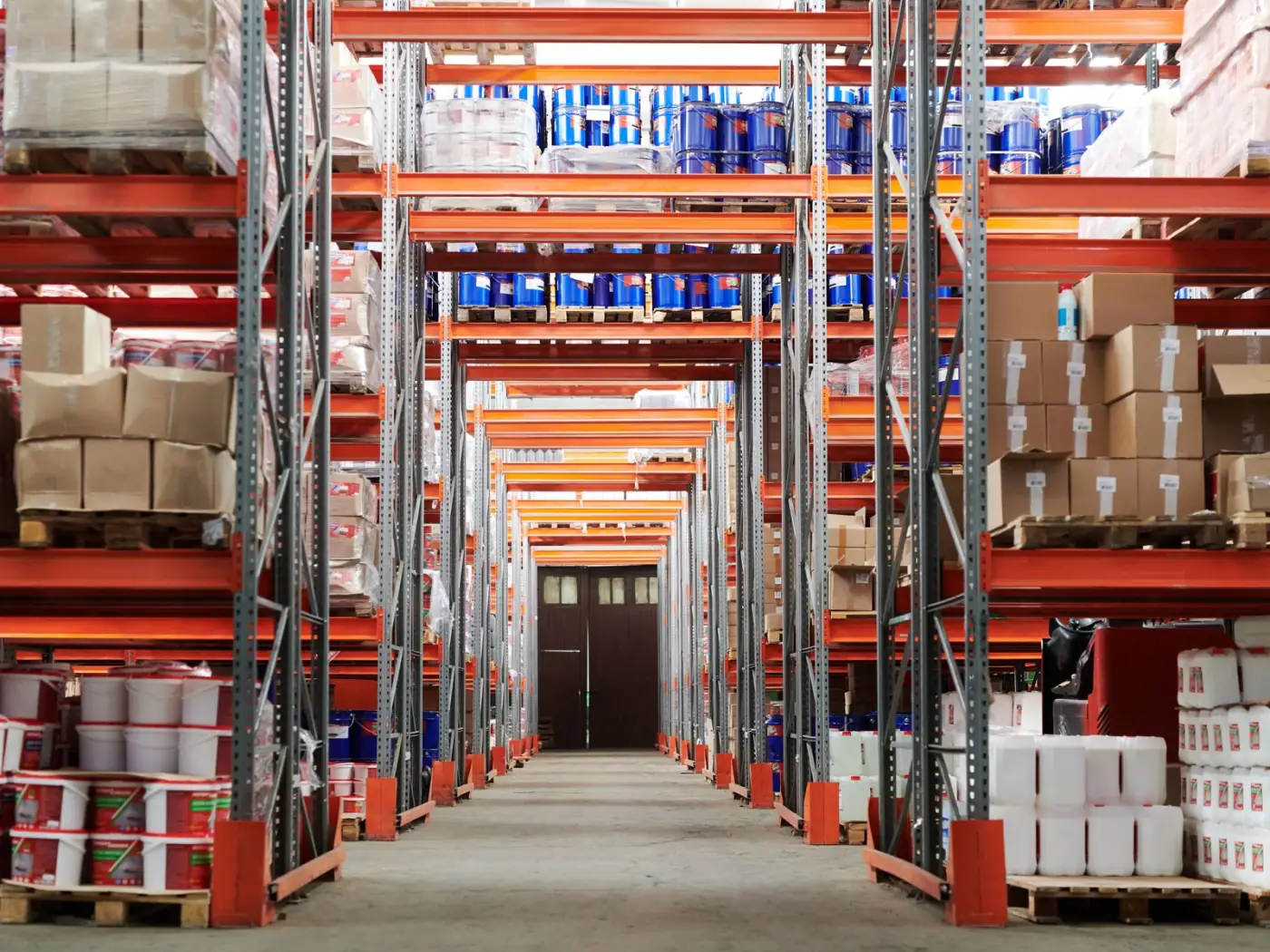
Warehouses
Hectares of open floor shared with forklifts, cleaned in a ninety-minute gap. At this scale the decision is made purely on square metres per hour — and on whether one platform can also handle the spill nobody planned for.
Coverage arithmetic
18,000 m² of concrete, between two shifts
At up to 1,980 m²/h, 18,000 m² is roughly nine machine-hours. A ninety-minute gap gives one machine about 3,000 m², so the honest options are three units covering the whole floor between shifts, or one unit on a rotating route that covers everything across the week. Most distribution centres pick the rotation — the assessment settles which, based on how fast the floor actually dirties.
18,000
m² · Typical floor
1
Machines needed
9.1
machine-hours · One full pass
9.1
machine-hours / 1
The building
Warehouses
The fleet
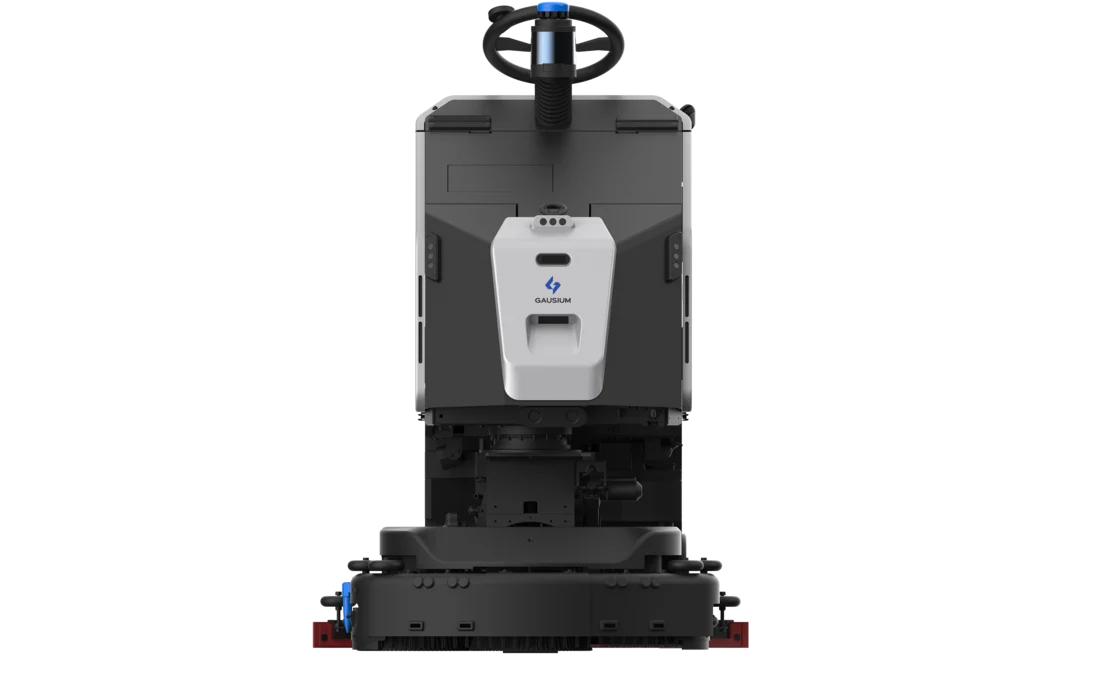
Ride-on
The commitment
Warehouses
Also on site
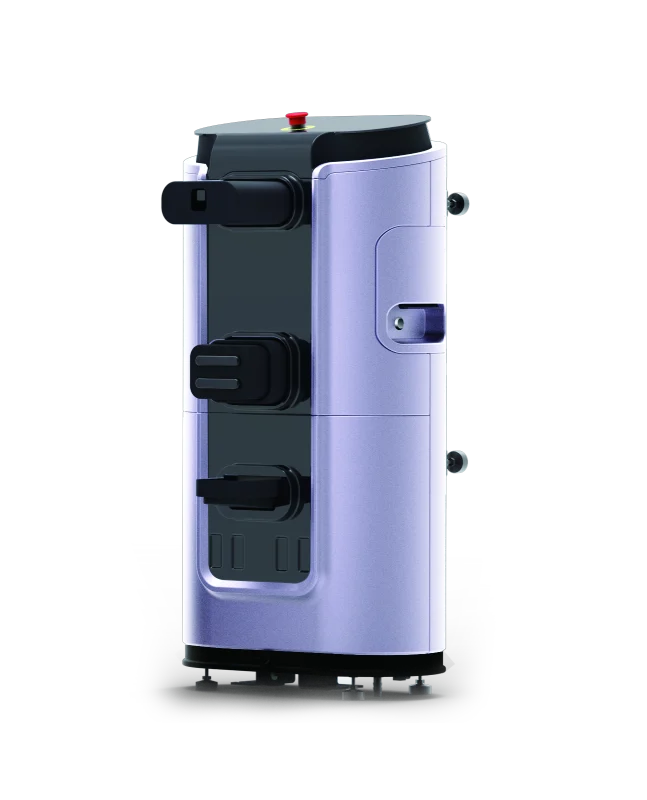
What changes
Predictable hectares
per shift, because throughput is a machine specification rather than a staffing gamble.
One platform, both jobs
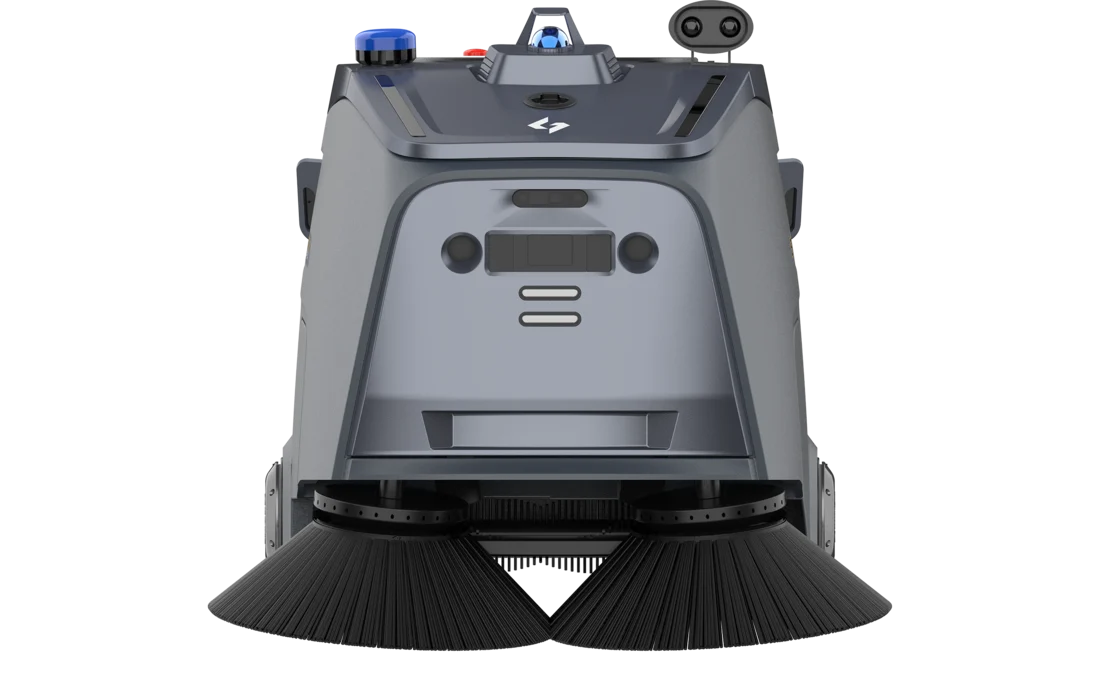
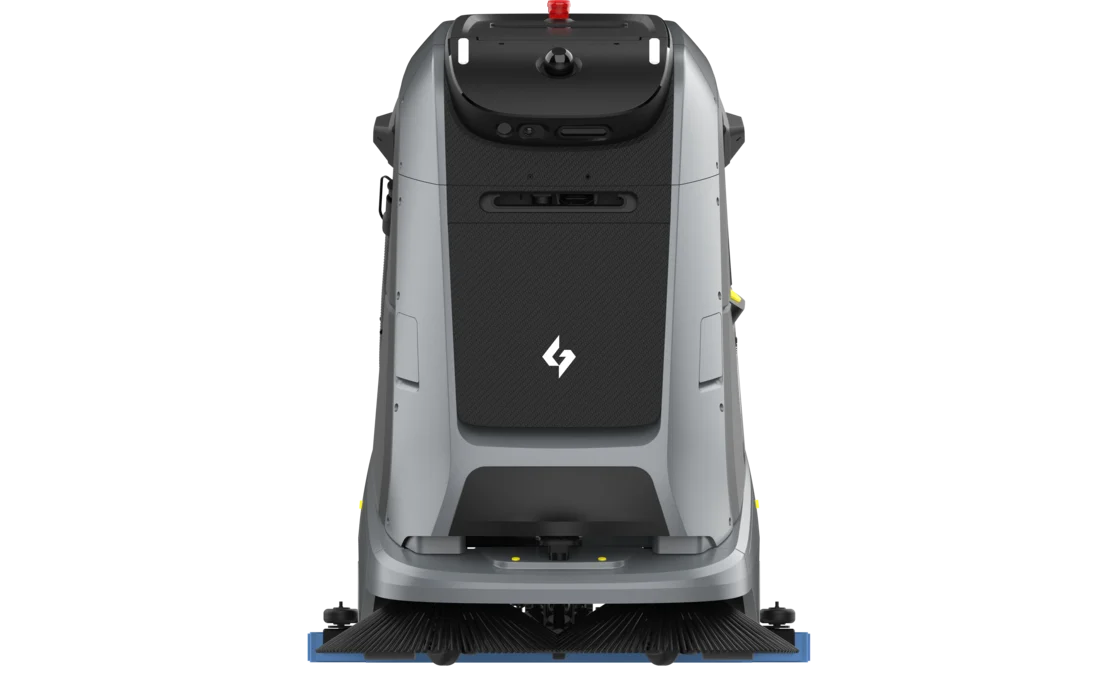
scheduled routes autonomously, and the unplanned spill with an operator aboard the same unit.
Inspection included
gauges, thermal anomalies and leaks captured on the same contract, without sending a person at 3am.
These are worked models, not named customer references. Areas and operating patterns come from sites we have surveyed; throughput, width and runtime figures are the published performance of the platforms we deploy. Your numbers are established during the free assessment.


Let us look at your floor.
A survey, a cost model and a specific recommendation. Free, and yours to keep.