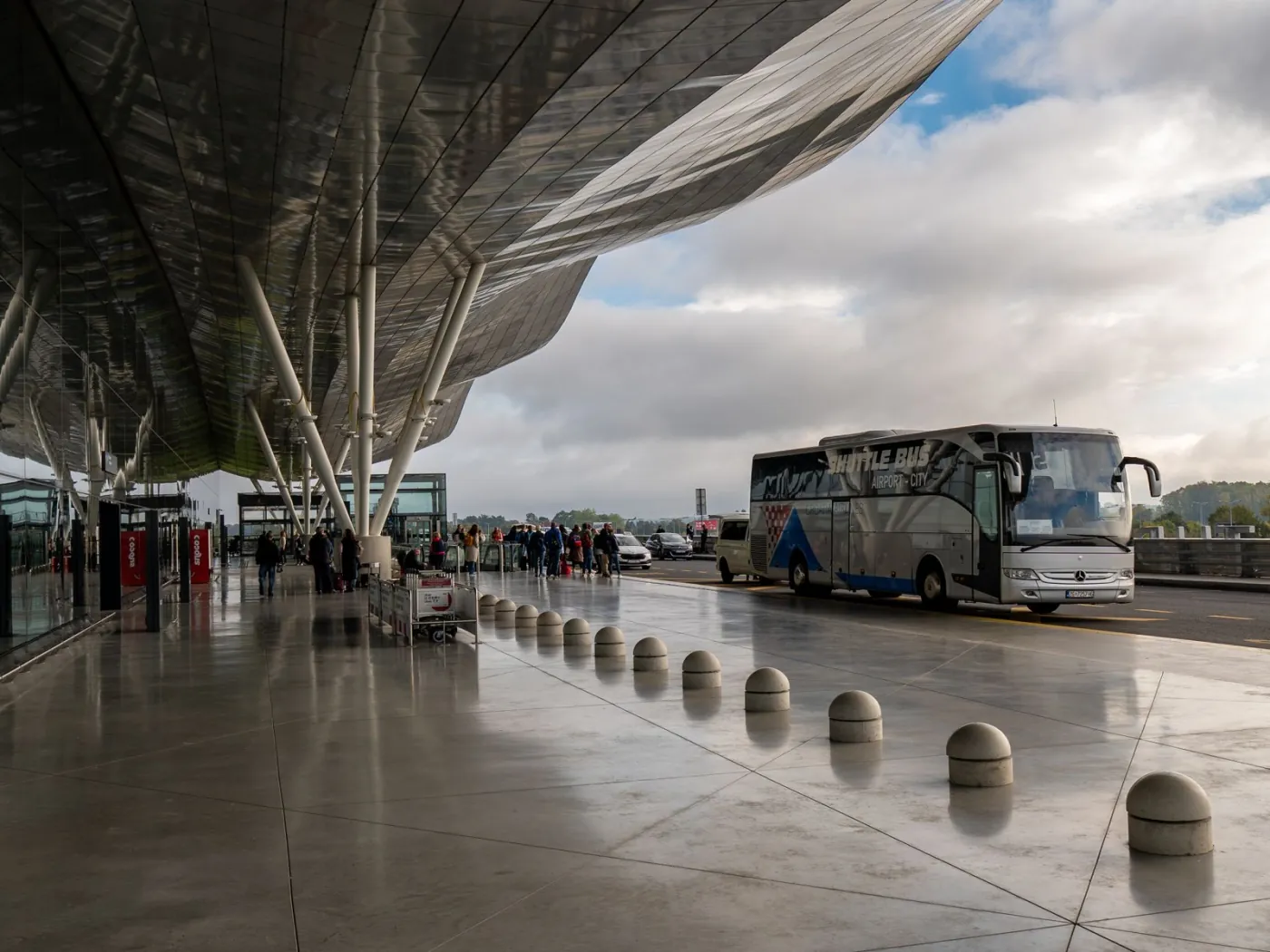
Bus stations
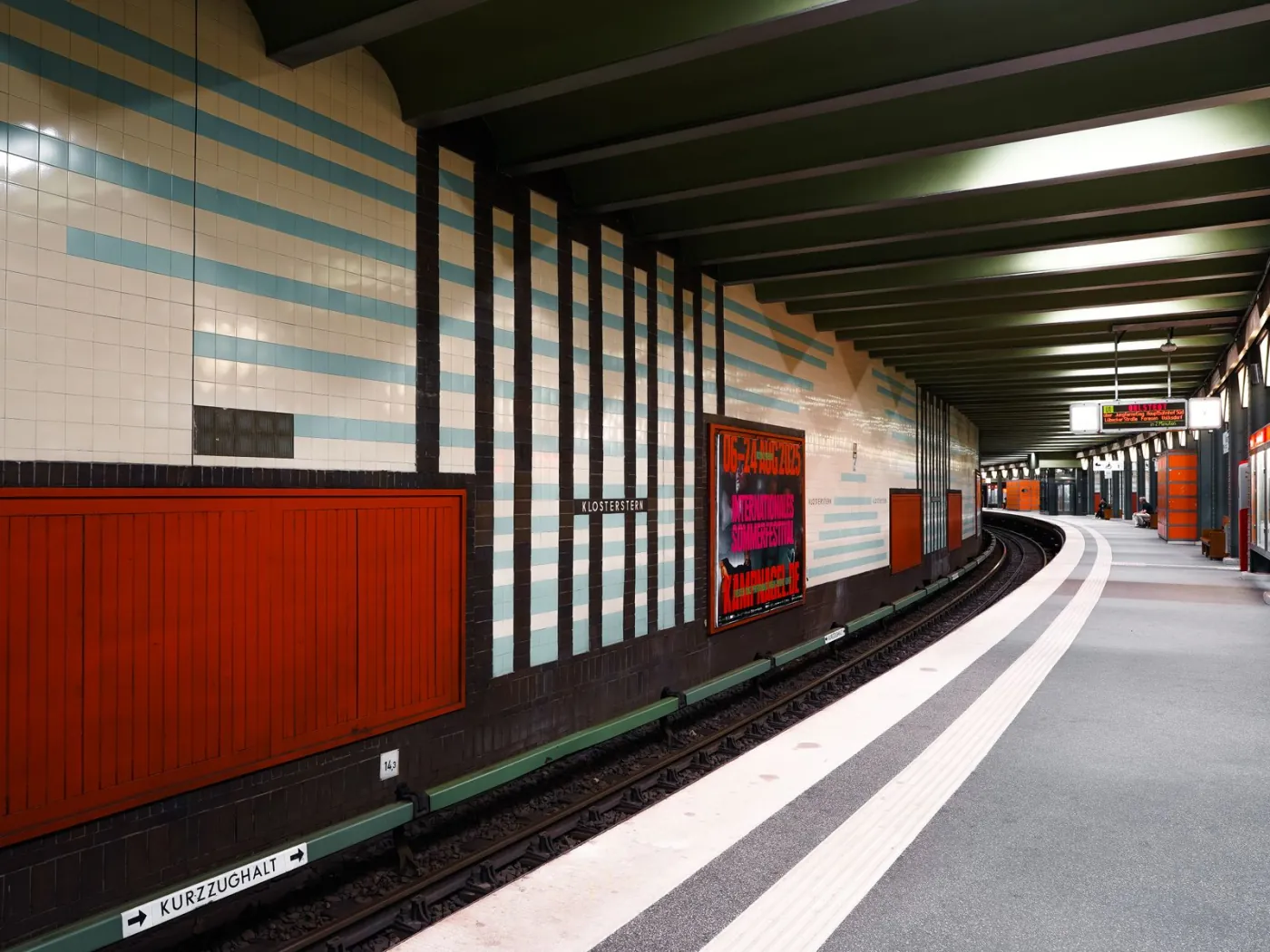
A bus station is half outdoors. Diesel soot, road grit and rain arrive with every bus, and there is no hour of the night when the floor is genuinely empty.
Coverage arithmetic
A 6,000 m² terminal, open to the street and the weather
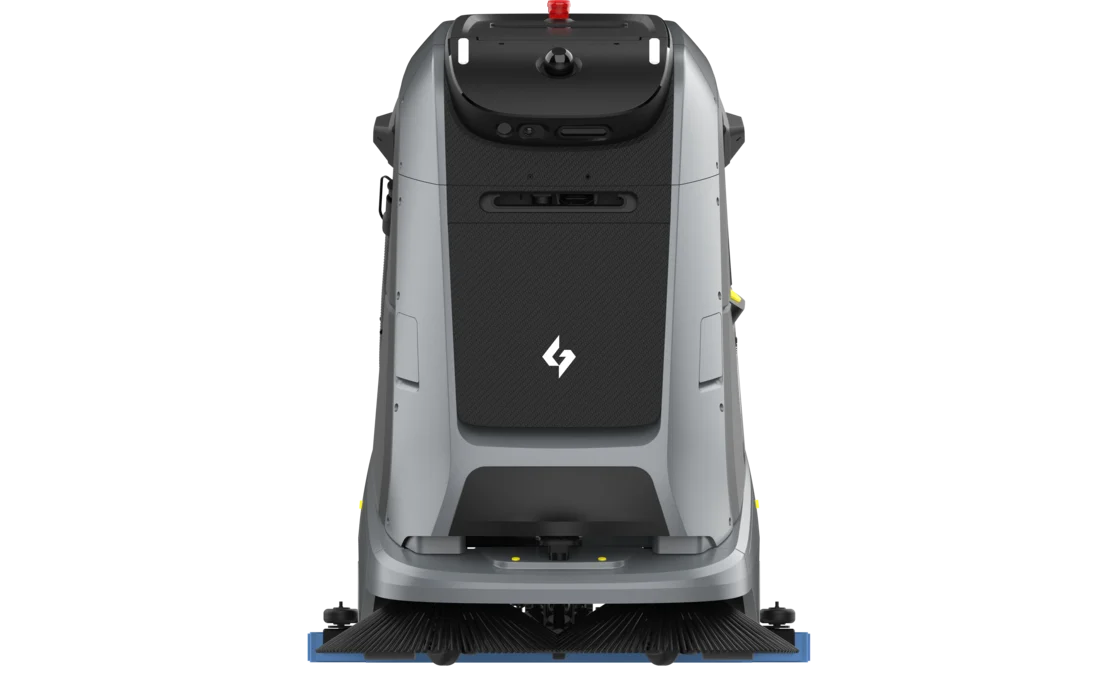
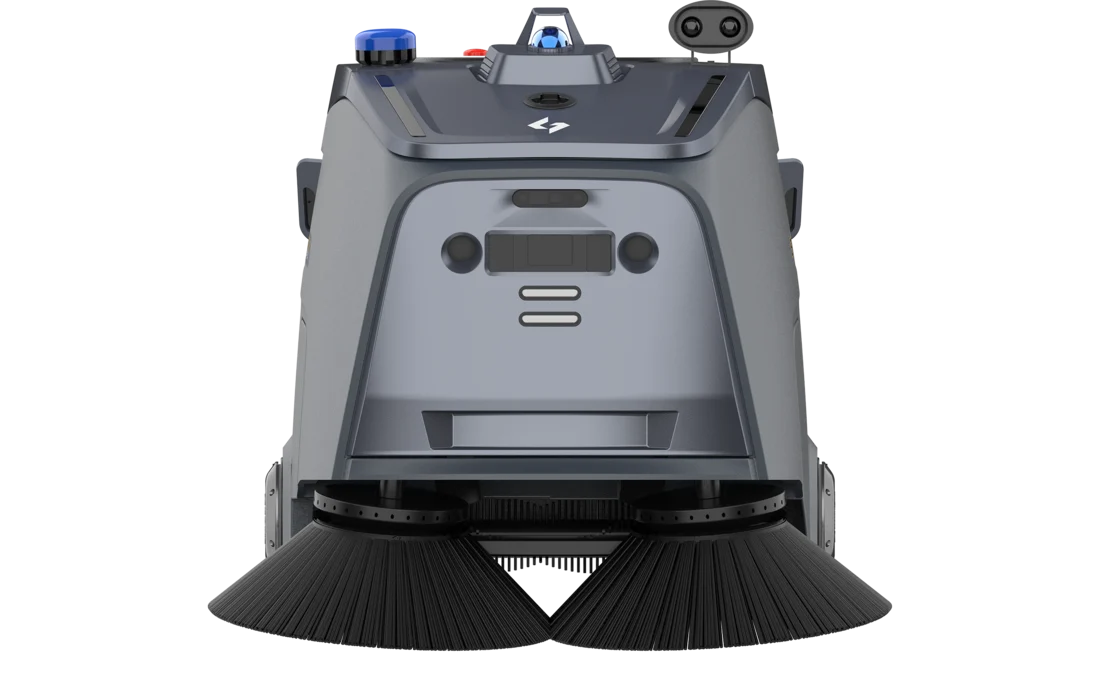
6,000 m² at up to 1,980 m²/h is about three machine-hours, so capacity is not the constraint — access is. The floor is never fully clear, so the unit works the concourse in sections around stands that are in use. That is precisely what autonomous routing is for, and it is the reason a fixed nightly slot was never going to work here.
6,000
m² · Typical floor
1
Machines needed
3
machine-hours · One full pass
3
machine-hours / 1
The building
Bus stations
The fleet
Large format
The commitment
Bus stations
Also on site
What changes
No empty hour needed
the machine works around live stands rather than waiting for a window that never comes.
Heavy soiling
becomes a pass count rather than a staffing crisis — wet weeks get more passes at the same monthly fee.
Evidence per section
so a complaint about one stand can be answered with the record for that stand.
These are worked models, not named customer references. Areas and operating patterns come from sites we have surveyed; throughput, width and runtime figures are the published performance of the platforms we deploy. Your numbers are established during the free assessment.
Let us look at your floor.
A survey, a cost model and a specific recommendation. Free, and yours to keep.