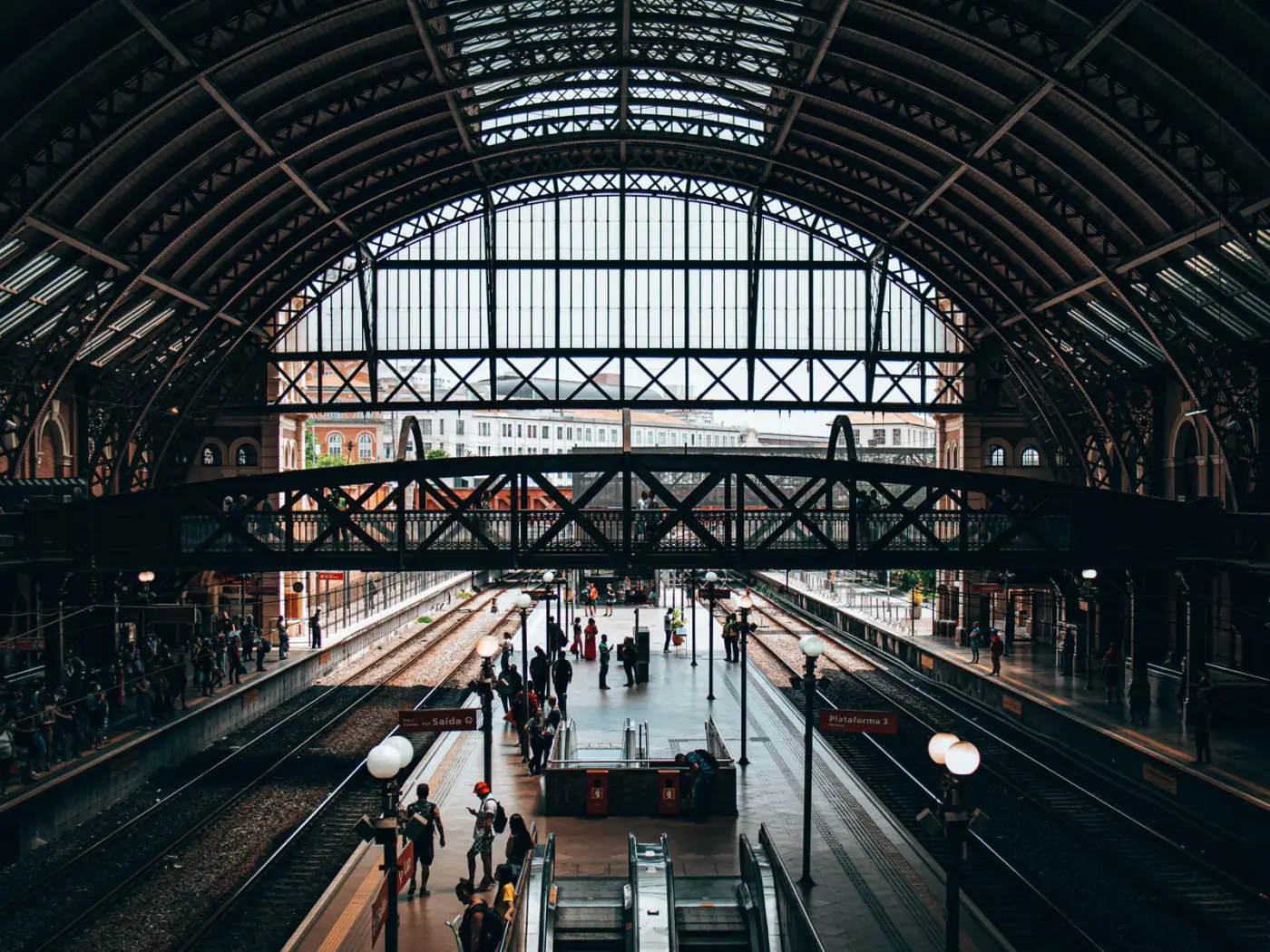
Train stations
A station floor takes the weather in on ten thousand pairs of shoes, then has to look presentable for the morning peak. The window between the last service and the first is the whole job.
Coverage arithmetic
A 12,000 m² concourse, cleaned between the last train and the first
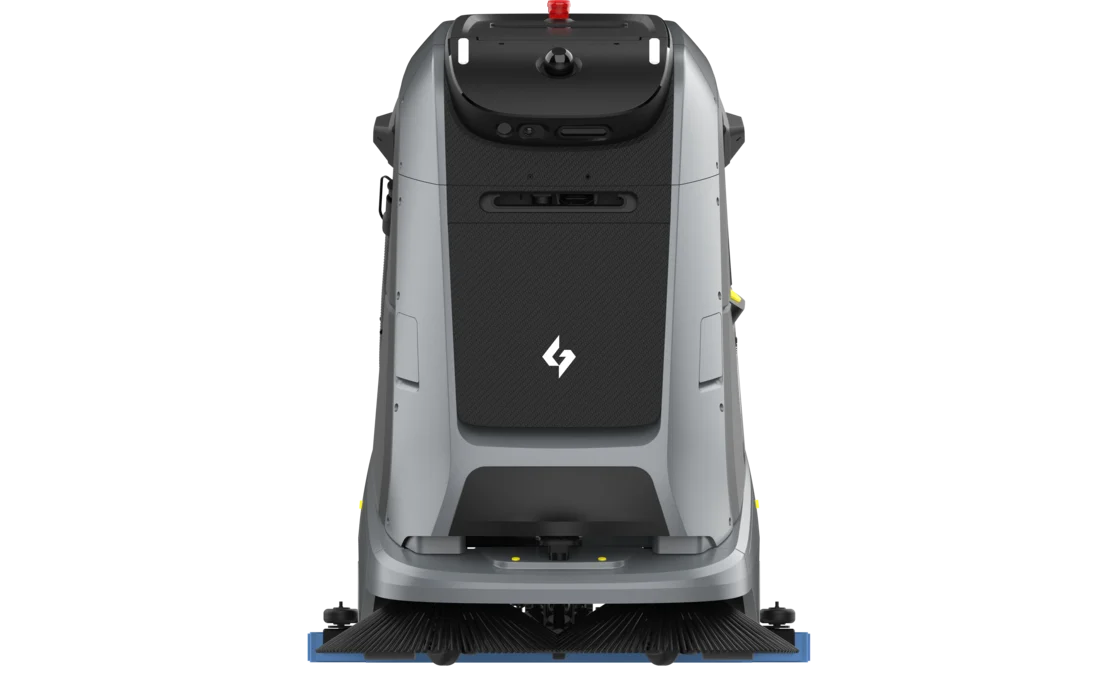
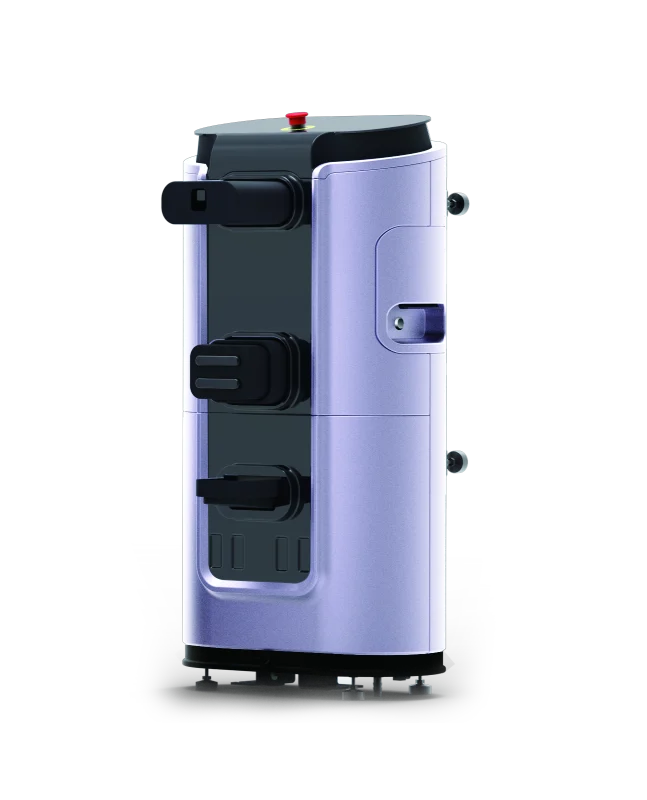
12,000 m² at up to 1,980 m²/h is about six machine-hours. One large-format unit covers the concourse inside a five-hour overnight window provided it starts on time and does not stop; a second unit brings that to three. The variable that decides it is rarely throughput — it is how much of the floor is still occupied at one in the morning.
12,000
m² · Typical floor
1
Machines needed
6.1
machine-hours · One full pass
6.1
machine-hours / 1
The building
Train stations
The fleet
Large format
The commitment
Train stations
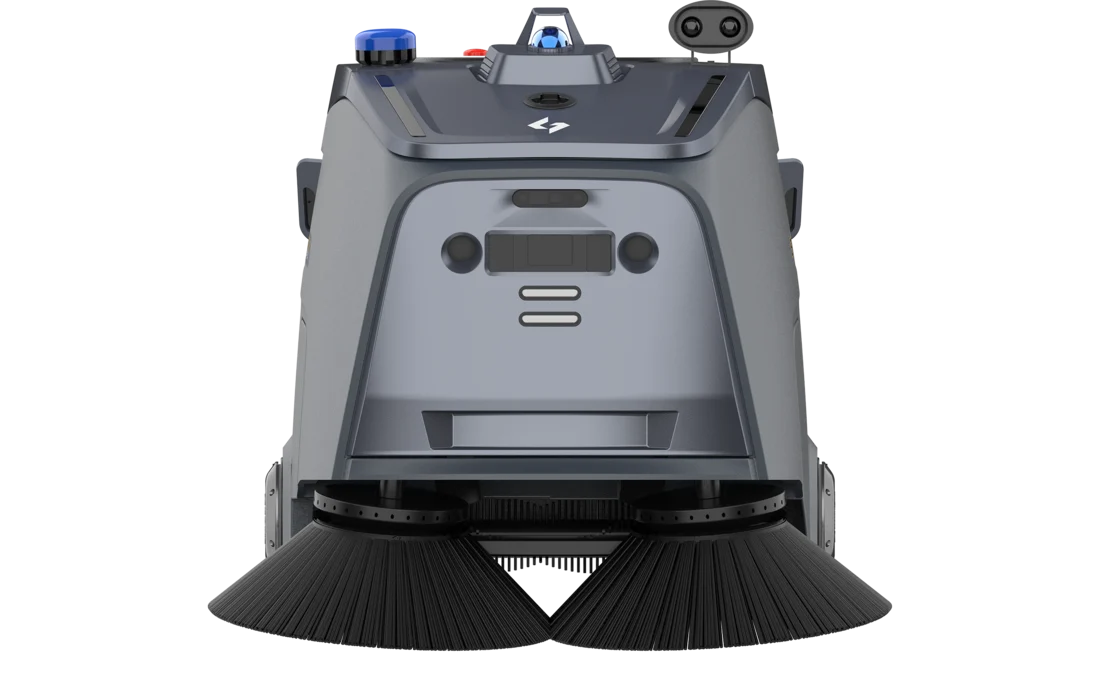
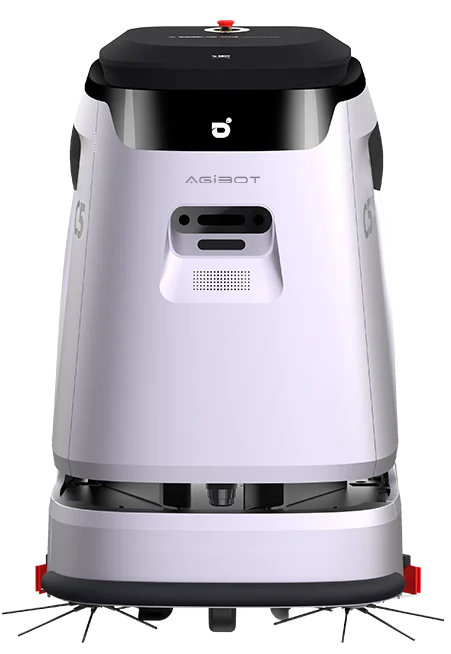
Also on site
What changes
Peak-ready
every morning, because the pass is scheduled rather than dependent on who turned up for the night shift.
Weather response
becomes a setting rather than a phone call — tracked-in grit gets extra passes on the nights it rains.
Platform edges
get a machine narrow enough to actually reach them, which a ride-on never was.
These are worked models, not named customer references. Areas and operating patterns come from sites we have surveyed; throughput, width and runtime figures are the published performance of the platforms we deploy. Your numbers are established during the free assessment.
Let us look at your floor.
A survey, a cost model and a specific recommendation. Free, and yours to keep.